


Performance artist Obel from Kenya is Östersund’s new ICORN resident
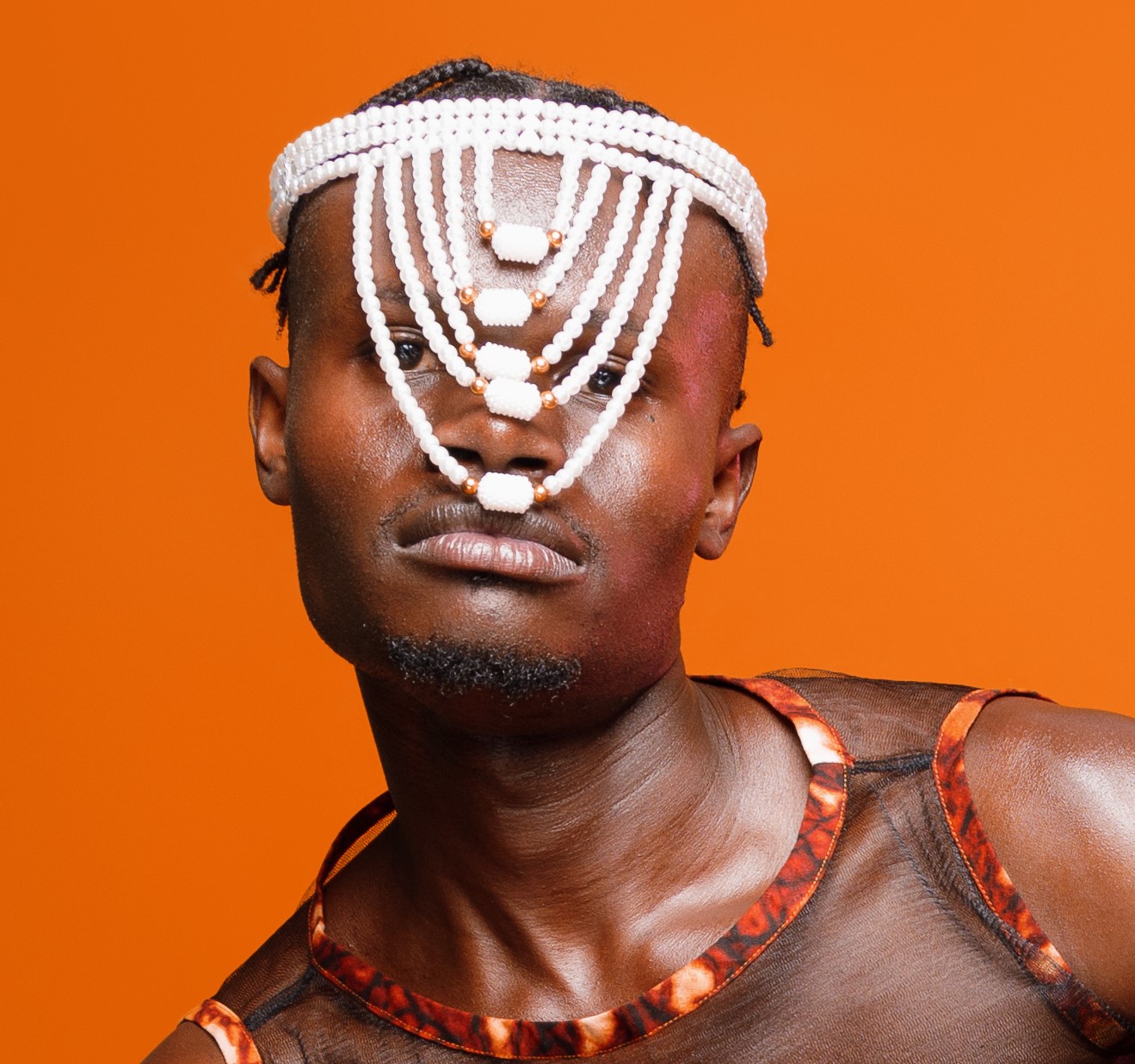
In early December 2025, performance artist Obel from Nairobi, Kenya, arrived in Östersund, Sweden, where they can continue working freely, without fear of censorship, threats, or imprisonment. Obel is Östersund’s fourth ICORN resident.
Obel, who holds a degree in Theatre Arts and Film Technology, works with performance, writing, and storytelling, using the human body as a central artistic medium. Water is another recurring source of inspiration. Obel reflects on how dependent humans are on water, yet how poorly protected it is, especially in Kenya. Obel’s art is often very personal, and they use their experience as an LGBTQI+ person as a foundation for their work.
In 2023, Obel was nominated for Best Male Solo Performance at the Kenya Theatre Awards for their work Kundinyota, which explores the politics of the human body, spirituality, and healing.
During their residency in Östersund, Obel plans to focus on artistic creation, building networks, and collaborating with local artists.
'What happens after these two years remains to be seen', says Obel.
'My hope is to build a strong network that allows me to continue working as an artist, wherever the future takes me.'
Pelle Lundgren, Chair of the Culture and Leisure Committee in Östersund says:
'Östersund’s continued commitment to hosting a City of Refuge artist is an important statement in support of democracy, freedom of expression, and human rights. In a time of global uncertainty, it is vital that artists at risk can work safely and contribute new perspectives to our local cultural life.'
Östersund ICORN City of Refuge
Östersund joined ICORN in August 2017 and has since welcomed four writers, artists, and journalists in ICORN residencies. Between 2018 and 2020, Östersund hosted Syrian journalist, writer, and poet Suzanne Ibrahim as the city’s first ICORN resident, followed by Palestinian poet, photographer, and activist Dareen Tatour (2020–2022), Eritrean writer and translator Omer Abib (2023–2025), and Obel (2025–2027).
Östersund is part of Sápmi, the cultural region traditionally inhabited by the Sámi people, the Indigenous people living in the far north of Europe. Sápmi spans areas of Norway, Sweden, Finland, and the Kola Peninsula in Russia. Sámi culture, with its distinct history and traditions, has had a significant influence on the Östersund region.

