



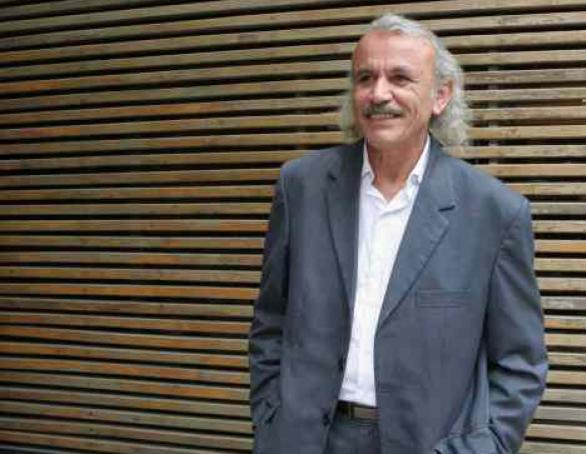



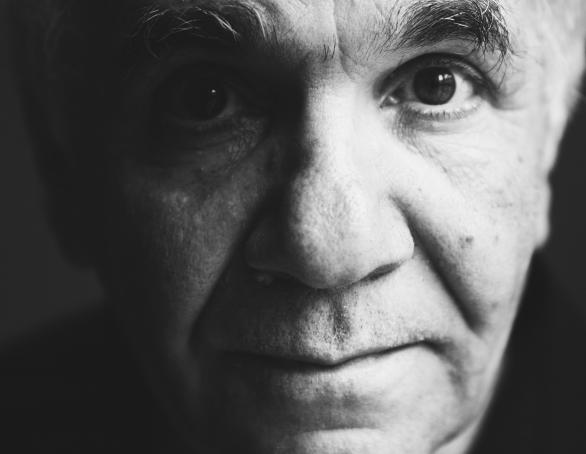
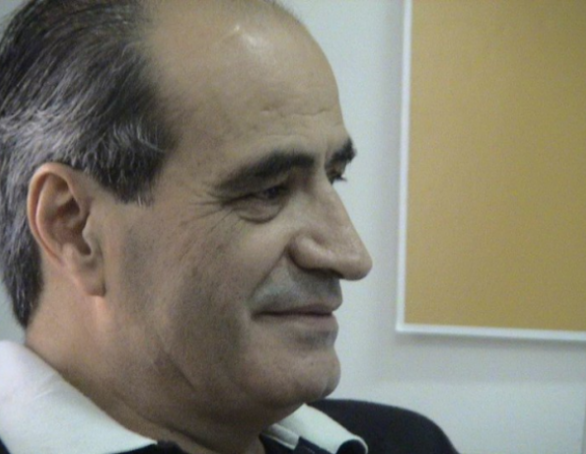
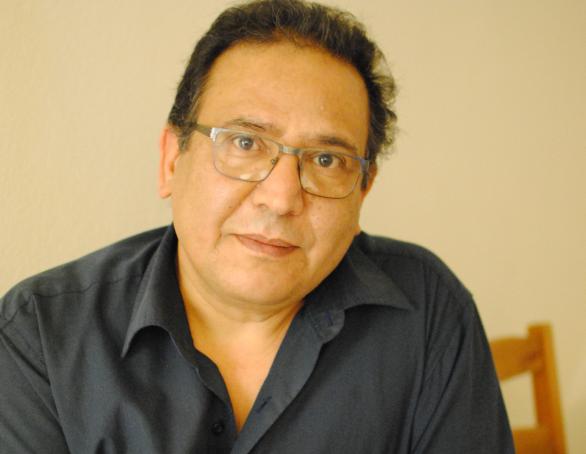








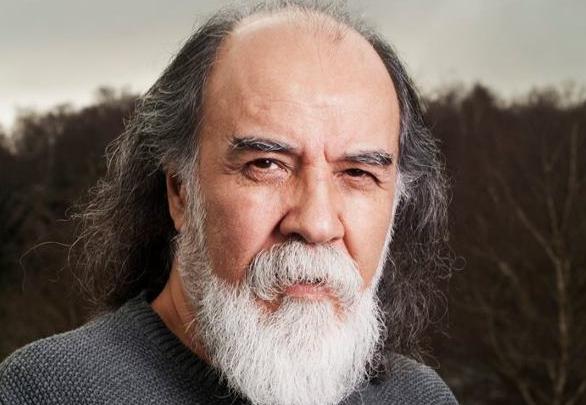




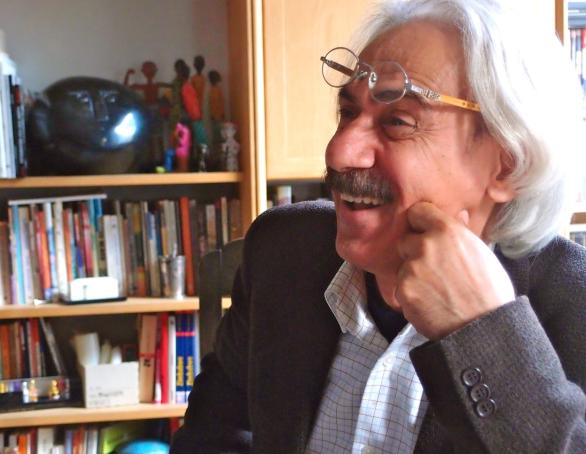







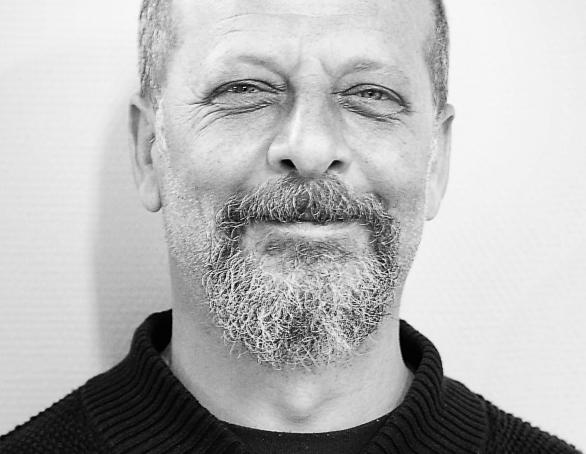
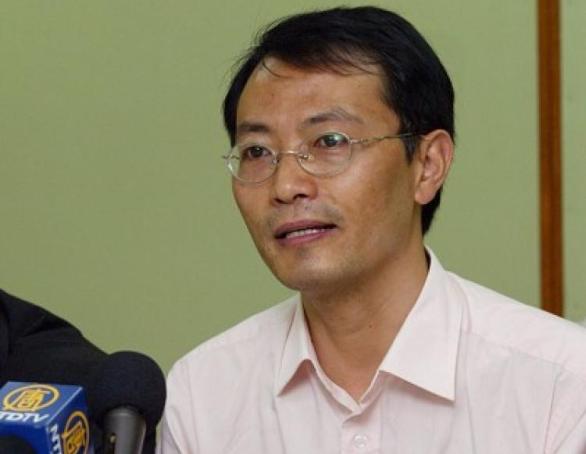

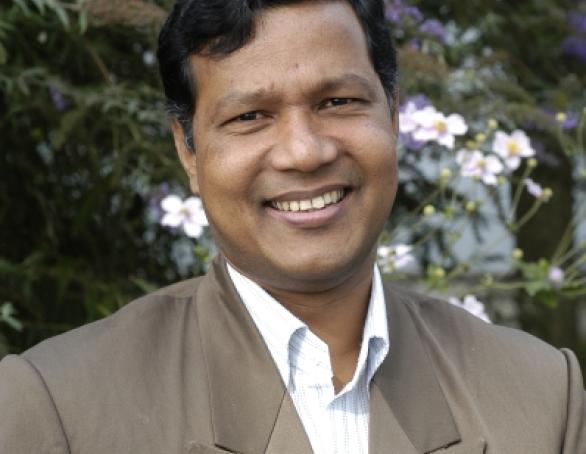

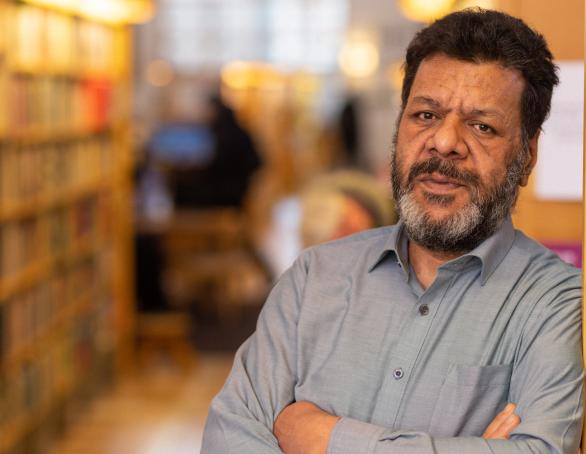
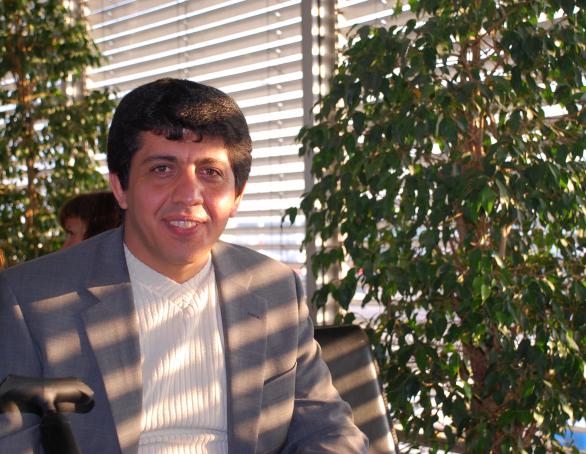
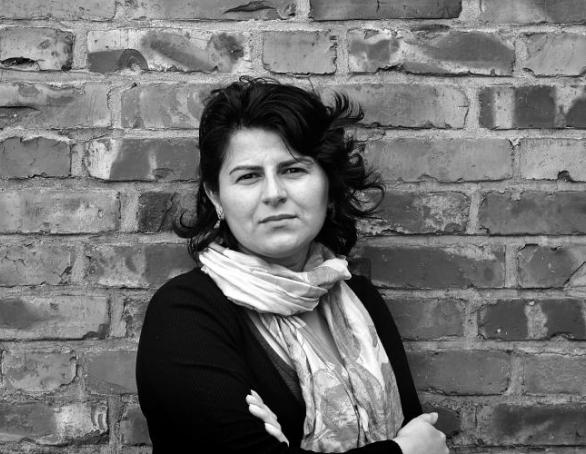
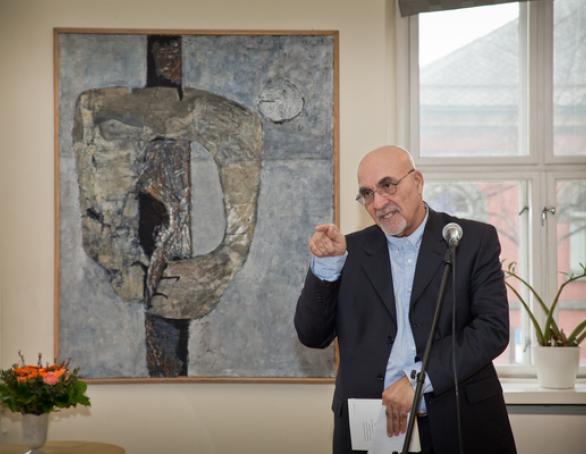
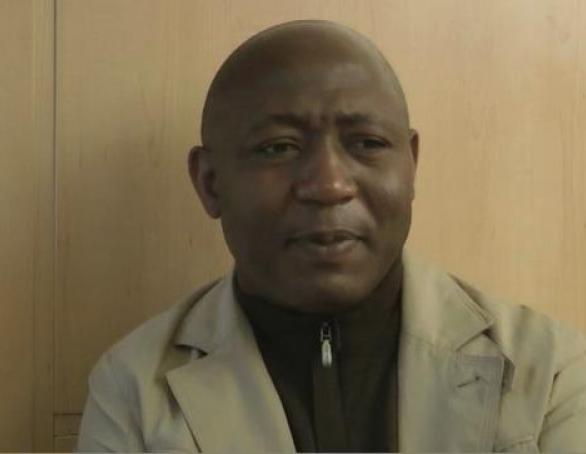
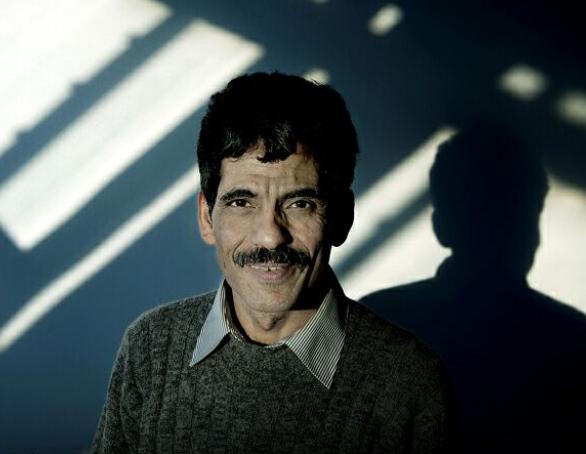
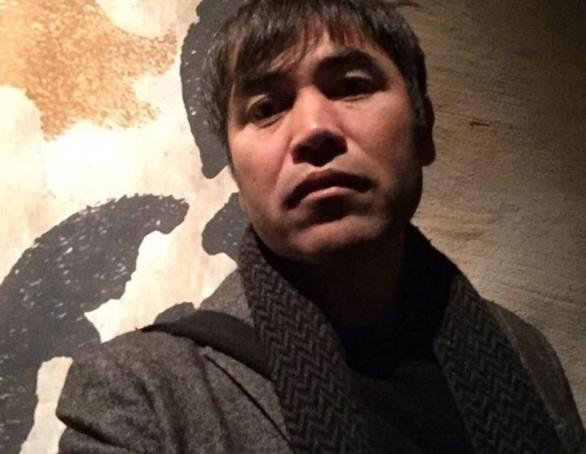
Er Tai Gao, former writer in residence of City of Asylum Las Vegas, publishes memoir.
Added: July 2009 to Network News
The memoir is titled "In Search of My Homeland", and chronicle's Gao's years in China from his first imprisonment in labor camp in 1959, to his escape from China in 1991.
Gao first ran afoul of the Communist regime in China when he wrote an essay about aesthetics called "On Beauty." In that essay, he criticized the assumptions of socialist realism, stating that freedom was essential to the creation of beauty, and that beauty was an expression of freedom. For that, he was sentenced to "reform through labor" in a camp in the Gobi. Upwards of three-fourths of the inmates there died of disease and starvation. Gao survived, and after his release, spent the next several years in Dunhuang, at the Art Institute there, first studying the Buddhist paintings in the Magao Grottos.
After a couple years, the Cultural Revolution made its way to Dunhuang, and Gao was deemed a "rightist," and demoted to janitor and more reform through labor. For many years after that, he was alternately deemed rehabilitated and a "rightist," in part because he continued to advocate for freedom of expression.
In 1989 in Beijing, during the Tiananmen protests, he was once again arrested, and this time held for six months without charge. His wife, Maya, didn't know where he was all that time, or even if he were still alive. For once, though, Gao had been keeping his head down; he wasn't involved in the protests, but given his reputation, the authorities assumed he had to be involved. On his release, he and Maya began to plan their escape from China, which they managed two years later.
ICORN is in contact with and co-operates with non-member cities around the world that offer asylum to persecuted writers. City of Asylum Las Vegas was the first such program in the U.S. Gao will be reading from his memoir in City of Asylum Pittsburgh on Nov. 7, and City of Asylum Las Vegas in late October.